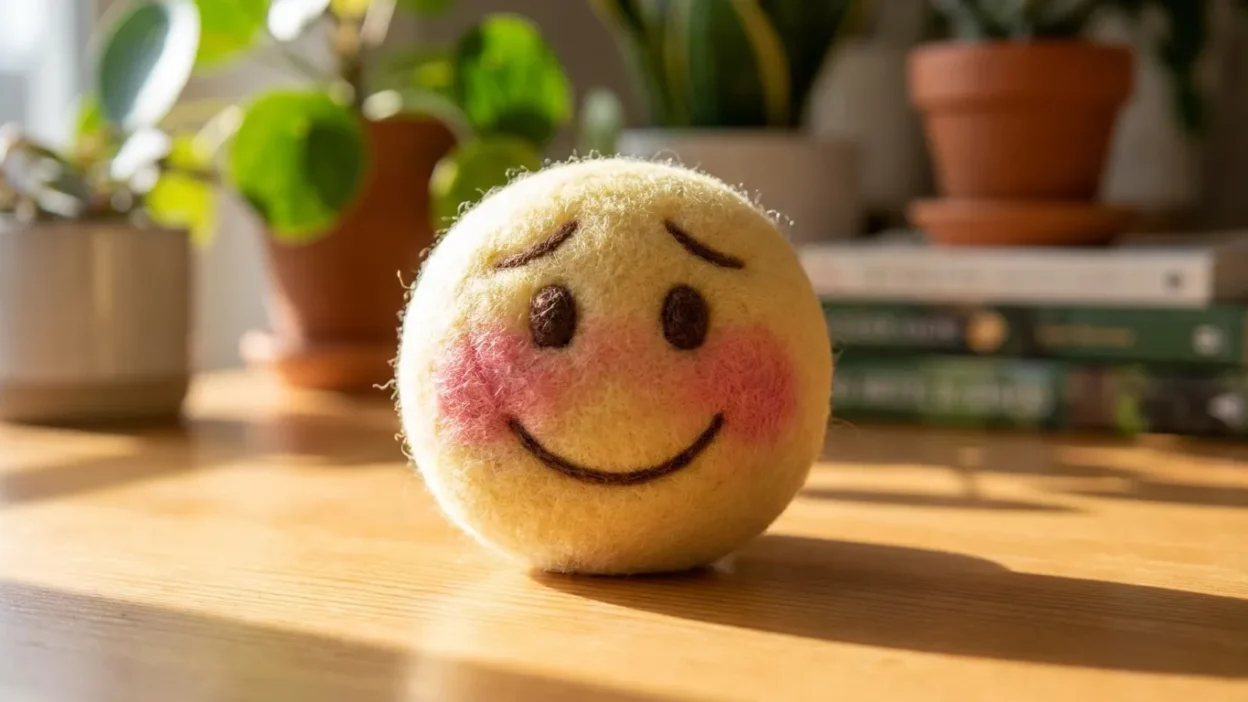
A tiny smile can say more than a long message when words feel too obvious.
Have you ever received a sweet compliment and had no idea how to reply without sounding awkward? That is where the blushing emoji family fits perfectly.
These expressions can add warmth, shyness, affection, playfulness, or a little romantic tension to everyday chats.
From WhatsApp emojis to Instagram emojis and TikTok comments, people use them to soften messages and make conversations feel more natural.
Understanding the context behind these emoji meanings helps you choose the right expression without sending the wrong signal.
The right blushing emoji can turn a simple reply into something warm, shy, and unforgettable.
What do blushing emoji mean?
Blushing-style emojis usually appear when a message carries extra emotion. Depending on the conversation, they can make a reply feel shy, sweet, affectionate, embarrassed, playful, or quietly romantic.
Context matters more than the emoji alone. A friendly conversation may make one expression seem innocent, while the same expression in a romantic chat can feel much more intimate.
| Emoji | Core meaning | Misread as | Best used when |
| 😊 | Warm, gentle happiness | Formal politeness | Replying kindly |
| ☺️ | Soft, shy warmth | Simple friendliness | Sweet conversations |
| 😳 | Strong embarrassment or bashfulness | Shock or worry | Compliments and awkward moments |
| 🥰 | Affectionate happiness | Overly romantic | Loving messages |
| 😚 | Tender affection | Serious romance | Sweet personal chats |
| 😘 | Affectionate kiss | Flirting | Romantic or playful replies |
😊 A friendly compliment can make it feel warmer, while ☺️ often gives a softer touch. 😳 can make an awkward moment feel playful, whereas 🥰 adds stronger affection.
😚 and 😘 can move a conversation toward a more personal or romantic tone, so the relationship between the people matters.
😊 Happy blushing smile
Meaning: Warm, gentle happiness and a friendly emotional glow.
Example 1: You really made my day 😊
Example 2: That was so sweet of you 😊
☺️ Soft smiling face
Meaning: Quiet sweetness, shy warmth, and a tender reaction.
Example 1: I’m glad you liked it ☺️
Example 2: You always know what to say ☺️
😳 Flushed face
Meaning: Strong bashfulness, embarrassment, or feeling suddenly self-conscious.
Example 1: Stop complimenting me like that 😳
Example 2: I wasn’t ready for that question 😳
🥰 Smiling face with hearts
Meaning: Deep affection, fondness, and feeling emotionally touched.
Example 1: That message was so lovely 🥰
Example 2: You’re seriously the sweetest 🥰
😚 Kissing face with closed eyes
Meaning: A tender kiss-like expression with a soft affectionate feeling.
Example 1: Good luck today 😚
Example 2: Sending you a little kiss 😚
😘 Face blowing a kiss
Meaning: A playful kiss gesture that adds affection to a message.
Example 1: See you later, cutie 😘
Example 2: Sleep well tonight 😘
😙 Kissing face with smiling eyes
Meaning: A cheerful, lighthearted kiss expression with a relaxed tone.
Example 1: Thanks for being there 😙
Example 2: Talk to you soon 😙
🙈 See-no-evil monkey
Meaning: A playful way to show shyness, embarrassment, or not wanting to look.
Example 1: You actually said that 🙈
Example 2: I can’t believe you noticed 🙈
😅 Grinning face with sweat
Meaning: A nervous or relieved smile after an awkward situation.
Example 1: That was almost embarrassing 😅
Example 2: I forgot the meeting time again 😅
🤭 Face with hand over mouth
Meaning: A playful reaction to something surprising, amusing, or slightly embarrassing.
Example 1: I probably shouldn’t have said that 🤭
Example 2: Okay, you caught me 🤭
How to use blushing emoji the right way
On WhatsApp, blushing expressions work naturally in personal conversations. They can make compliments, apologies, jokes, and affectionate replies feel less stiff and more expressive.
On Instagram, they often fit captions, comments, replies, and aesthetic posts. A carefully chosen expression can make a caption feel softer without taking attention away from the main message.
On TikTok, context changes quickly. Blushing expressions can appear in funny reactions, comment threads, romantic jokes, or ironic moments, especially when creators are reacting to something unexpected.
Do: Match the expression to the relationship and mood.
Do: Use one or two expressions when you want a message to feel natural.
Don’t: Add several different expressions when the conversation is serious.
Don’t: Assume every affectionate-looking reply has a romantic meaning.
Best blushing emoji combos copy & paste
Romantic
😘🥰 Use it for a sweet message to someone special.
🥰😚 A tender combination for affectionate conversations.
☺️😘 A soft reply with a romantic touch.
Cute
😊☺️ Perfect for a warm, innocent reaction.
🙈☺️ Great when a compliment makes you shy.
🤭😊 A playful response to something cute or funny.
Flirty
😳😘 Works when a conversation becomes unexpectedly romantic.
🤭😘 A teasing reply with a playful tone.
🥰😘 Use for an openly affectionate message.
Missing someone
🥰😚 A warm way to respond when you are thinking about someone.
😊😘 A gentle affectionate message from a distance.
🙈🥰 A cute reaction when emotions feel difficult to express.
Good night
☺️😘 A soft good-night message for someone close.
🥰😚 A tender sign-off before sleeping.
😊🥰 A warm way to end a happy conversation.
Trending blushing emoji in 2026
In 2026, blushing-style expressions continue to fit the conversational nature of social messaging. Their appeal comes from how easily they can soften text, show reactions, or add playful emotion without requiring a long explanation.
Younger users, casual chatters, and content creators commonly adapt these expressions to the tone of a conversation. On WhatsApp they can feel personal, while Instagram and TikTok often use them in more playful or visually expressive contexts.
| Emoji | Why trending | Who uses it | Platform |
| 😊 | Easy to fit into everyday replies | Everyday chatters | WhatsApp, Instagram |
| 😳 | Strong visual reaction | Creators and casual users | TikTok, Instagram |
| 🥰 | Popular for affectionate posts | Couples and friends | Instagram, WhatsApp |
| 🤭 | Works well with playful reactions | Commenters and creators | TikTok, Instagram |
As digital conversations become more expressive, emoji use continues to evolve with changing communication styles and online trends.
FAQs:
1. What is the most popular blushing emoji?
😊 is one of the easiest choices for everyday conversations because it feels warm without being overly intense.
For stronger romantic or bashful situations, people may choose expressions such as 😳 or 🥰.
2. What does 😊 mean from a girl or boy?
The meaning depends on the conversation, not simply on whether the sender is a girl or boy.
It can be friendly, warm, shy, or affectionate depending on the words around it.
3. Why do emojis look different on iPhone vs Android?
Emoji designs are created by individual platforms and operating systems, so their artwork can vary.
The basic Unicode character is generally the same, but its appearance may look different across devices.
4. Are blushing emoji used differently in other countries?
Yes, context and online communication habits can vary between cultures.
The same expression may feel friendly in one conversation and more affectionate or playful in another.
Conclusion:
Blushing expressions are useful because they give ordinary messages a little more personality and emotion. The best choice depends on your relationship, conversation, and intended tone.
Use them naturally, pay attention to context, and let the surrounding words do most of the talking.

I am George R. R. Martin, an American author best known for A Song of Ice and Fire and its world of unforgettable characters.
I share my writing journey and literary insights with readers on Elitenamez.com.