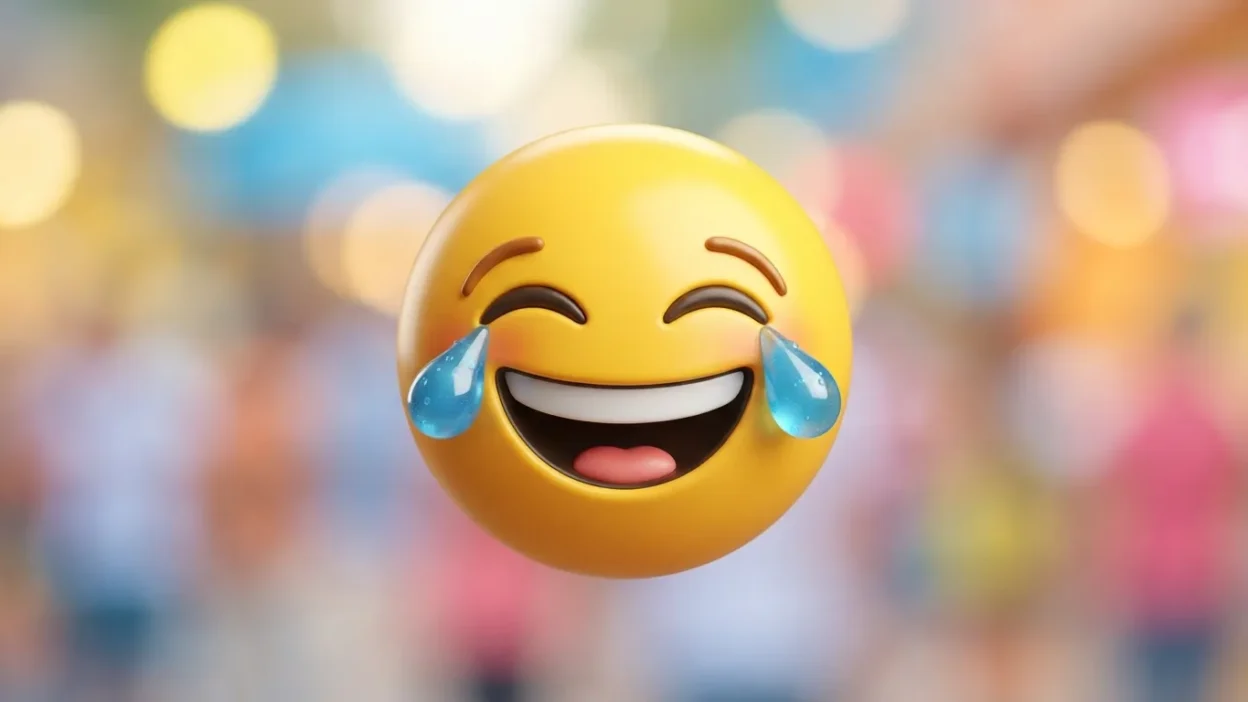
Sometimes one laugh emoji says more than a whole sentenceit can turn an awkward text into a funny moment.
I use laugh emojis when words alone do not show how funny something feels. A simple reply can sound serious, but adding the right laugh emoji instantly changes the mood.
From texting friends on WhatsApp to reacting to a hilarious TikTok, these little symbols help make conversations feel natural.
The trick is knowing which one fits the moment, because not every laugh has the same tone.
The right laugh emoji can make an ordinary message feel instantly more human.
What do laugh emoji mean?
Laugh emojis generally show amusement, but their emotional tone can change depending on the conversation. A strongly laughing face may suggest something is extremely funny, while a softer expression can make a message feel more playful or friendly.
For example, 😂 can fit a genuinely hilarious story, while 😅 can work when something is funny but also slightly awkward. 🤣 often gives a more exaggerated reaction, especially in casual conversations.
| Emoji | Core meaning | Misread as | Best used when |
| 😂 | Strong amusement | Fake laughter | Something is genuinely hilarious |
| 🤣 | Intense laughter | Overreaction | A joke is extremely funny |
| 😆 | Excited laughter | Forced excitement | Reacting enthusiastically |
| 😅 | Nervous or relieved laughter | Simple happiness | A funny or awkward situation |
| 😄 | Cheerful laughter | Basic friendliness | Sharing a happy reaction |
| 😁 | Big cheerful smile | Excessive excitement | Showing playful enthusiasm |
| 😹 | Laughing reaction | Random cuteness | Funny animal or playful content |
| 😸 | Cheerful playful reaction | Simple happiness | Lighthearted conversations |
| 😺 | Friendly playful mood | Childish tone | Casual, cute exchanges |
| 🙈 | Embarrassed playful reaction | Shyness only | Laughing at an awkward moment |
Laugh Emoji Cards
😂 Face with Tears of Joy
Meaning: Strong amusement and laughter.
Example 1: That story was too funny 😂
Example 2: I cannot stop laughing at this 😂
🤣 Rolling on the Floor Laughing
Meaning: Extremely intense laughter.
Example 1: You actually said that? 🤣
Example 2: This video is wild 🤣
😆 Grinning Squinting Face
Meaning: Energetic, excited laughter.
Example 1: That was such a good joke 😆
Example 2: You got me again 😆
😅 Grinning Face with Sweat
Meaning: Laughter mixed with awkwardness or relief.
Example 1: I almost forgot the meeting 😅
Example 2: That could have gone badly 😅
😄 Grinning Face with Smiling Eyes
Meaning: Warm, cheerful amusement.
Example 1: Glad you liked it 😄
Example 2: That made my day 😄
😁 Beaming Face with Smiling Eyes
Meaning: A broad, enthusiastic smile.
Example 1: I finally finished it 😁
Example 2: Guess who won? 😁
😹 Cat with Tears of Joy
Meaning: A playful cat-themed laughing reaction.
Example 1: That cat is hilarious 😹
Example 2: I watched this three times 😹
😸 Grinning Cat with Smiling Eyes
Meaning: A playful, cheerful cat expression.
Example 1: You are too funny 😸
Example 2: What a silly moment 😸
😺 Grinning Cat
Meaning: A friendly, playful cat expression.
Example 1: That was cute and funny 😺
Example 2: You made me smile 😺
🙈 See-No-Evil Monkey
Meaning: A playful reaction to embarrassment or awkwardness.
Example 1: I cannot believe I did that 🙈
Example 2: Please forget what I just said 🙈
How to use laugh emoji the right way
On WhatsApp, laugh emojis work especially well in personal conversations. Use them after jokes, funny stories, playful teasing, or unexpected moments to make your reaction feel warmer.
Instagram uses them differently. Comments, captions, Stories, and DMs often combine laugh emojis with short reactions, helping posts feel casual and expressive without adding a long explanation.
TikTok is especially suited to exaggerated reactions. Laugh emojis can support humor, irony, surprising clips, and relatable moments.
Do: Match the emoji to the emotional tone and use it naturally.
Don’t: Add several laugh emojis to every message or use them when someone is discussing something serious.
Best laugh emoji combos copy & paste
Romantic
😂❤️ Use after sharing a funny moment with someone you love.
🤣❤️ A playful reaction to an inside joke.
😆❤️ Add warmth to a cheerful romantic message.
Cute
😄😺 A sweet reaction to something adorable and funny.
😁😸 Works well for playful conversations.
😹😄 Great for a funny pet or cute moment.
Flirty
😆😉 A playful response when teasing someone.
😂❤️ Use after a funny compliment or romantic joke.
😁😅 Fits light, slightly awkward flirting.
Missing Someone
😂❤️ Share a funny memory while keeping the conversation affectionate.
😄🙈 Works when remembering an embarrassing moment together.
🤣❤️ Good for sending an old inside joke.
Good Night
😄🌙 End a cheerful conversation on a light note.
😂❤️ Perfect after a funny late-night chat.
😅🙈 A playful way to close an awkward conversation.
Trending laugh emoji in 2026
In 2026, laugh emojis continue to appear across casual chats, comments, short-form videos, memes, and creator conversations. Their popularity is closely connected to fast, expressive communication where a single symbol can replace a longer reaction.
Younger users and content creators often switch between stronger and softer laugh reactions depending on whether a moment feels genuinely funny, ironic, awkward, or playful.
| Emoji | Why trending | Who uses it | Platform |
| 😂 | Familiar reaction for everyday humor | General users | WhatsApp, Instagram |
| 🤣 | Fits exaggerated online humor | Casual users, creators | TikTok, Instagram |
| 😅 | Useful for awkward humor | General users | WhatsApp, TikTok |
| 😹 | Works with playful pet content | Meme and pet communities | Instagram, TikTok |
Emoji trends also show how digital expressions keep adapting as online humor, conversation styles, and platform cultures change.
FAQs:
1. What is the most popular laugh emoji?
😂 is one of the most recognizable choices for expressing laughter in everyday digital conversations. It works naturally in messages, comments, and social media reactions.
2. What does 😂 mean from a girl or boy?
The basic meaning does not depend on gender. Context matters more than who sends it, so look at the surrounding message and conversation style.
3. Why do emojis look different on iPhone vs Android?
Different operating systems use their own emoji designs and artwork. The underlying Unicode emoji is generally the same, but its visual appearance can vary between devices.
4. Are laugh emojis used differently in other countries?
Yes. Humor, texting habits, and cultural communication styles can influence emoji choices. The same laugh emoji may feel stronger, softer, or more ironic depending on the community.
Conclusion
Laugh emojis make digital conversations easier to understand, especially when tone could otherwise be unclear.
Choose one that matches the moment instead of relying on the same reaction every time.
Whether you are chatting privately or reacting on social media, natural use makes your messages feel more genuine.

I am Paulo Coelho, a Brazilian author best known for inspiring readers through stories about dreams, faith, and personal journeys.
I share my writing experience and insights on Elitenamez.com to help readers discover meaningful ideas and stories.